The Science of Resonant Communication
Transform Organizational Development & Engagement with Science-Based Communication
Listen to Elizabeth


Resonance Creates Connection
Connection Creates Change
Resonant Communication is revolutionizing communication with a Unified Scientific Framework to recalibrate organizational strategy and scaled communication with evidence-based techniques proven to foster understanding, trust, and positive action.
PR Leader
VOLUME PR CEO
Communication Scientist
Engagement Science lab founder
Resonant Living
weight loss & Healing with Resonant patterns
Changing the world of communication
and healing.
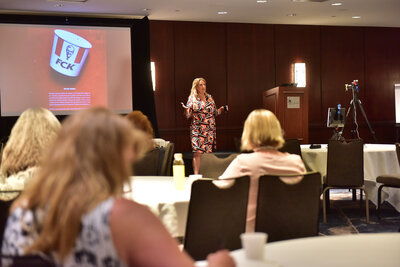
Elizabeth Edwards is an internationally celebrated research strategist and keynote speaker whose work redefines the science and ethics of successful communication, Public Relations, and Behavior Change interventions.
Edwards spent the last 22 years testing social, behavioral, cognitive, and physical science engagement practices within Organizational Development and Strategic Communication to create a Unified Scientific Framework of Resonant Communication.
Her journey into the science of Resonance led to her unexpected and transformational healing that she now shares to unlock healing and weight loss through Resonant Living.



awards







clients






















media




















change the world with the language of resonance
Sustainable Marketing
Circular Economics
Science-Led Strategy
Resonant Communication
Civil Behavior Change
LEARN
learn more
The Rules of Engagement Are Changing.
Science is rewriting our understanding of the dynamics of communication. The new Codex it creates empowers us to work with our language and influence as never before. From Organizational Development to Marketing Communication to Personal Growth, nothing is outside the limit of being remade with our words.
She is clearly very knowledgeable about what she is talking about, and I just fell in love with the whole topic."
WOODMEN LIFE: Director, Marketing Communications
"ELIZABETH EDWARDS IS AMAZING, INTELLIGENT & ENTHUSIASTIC
/01.
/02.
/03.
/01.
/02.
/03.
Her presentation skills are top-notch, engaging, and high energy.”
BIG THINK GROUP: President & Founder
"Elizabeth has the unique gift of capturing the audience’s attention – all the time.
/01.
/02.
/03.
but rather than being all talk, she provides the action steps to back up the plan she’s spelled out with you.”
REVIEWPUSH.COM: Content Marketing Manager
“Elizabeth speaks to you and helps you out in a way a longtime mentor might

Mission-oriented organizations need communication & messaging strategies that resonate
INSPIRE
We've spent over 20 years bridging the relationship between messaging and communication strategies-all empowered by science. The result? Audiences with empathy and the motivation to initiate change.
LEAD
You want to make an impact? You want to innact noticeable change? Great! Does your "talk" inspire "walk"? What starts a revolution? Emotion and connection. We're all about initiating one for your brand, using strategies & communication models that resonate.
REVOLUTIONIZE
Results-driven communication requires a deep understanding of how and why people make decisions & choices. We craft brand messaging that aligns your organization's intentions & mission-driven goals, resulting in desired outcomes.
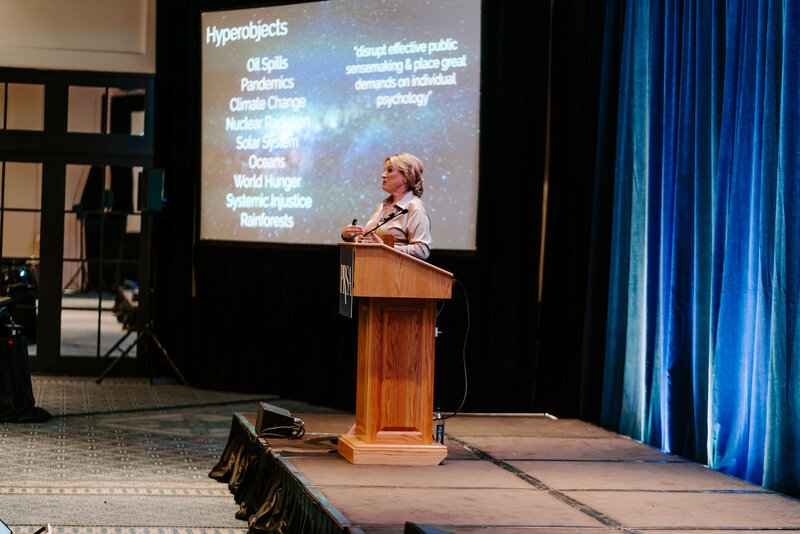
How you speak to yourself can change your life.
TRANSFORM
The dichotomy of harm and harmony occurring within our own minds and bodies is directly related to communication. When you can truly identify, isolate, and shift your internal dialogue, you open yourself up to radical, healthy improvement.
heal
We've uncovered science-based practices intent on soothing and redirecting even the harshest "inner critics." Start your path to healing by communicating with your body + past traumas, aiding in weight loss, autoimmune disease reversal, and decreasing inflammation.
INFLUENCE
Science has influenced my life in countless ways, but I believe science's greatest impact on my life is truly personified through Radically Delicious Healing. In changing the ways we think about life, work, words, and food, we can harness the power of science and communication to truly make this world a healthier, more vibrant place.

Communication Science impacts
everyone
For Businesses & Organizations
For Leaders & CEO's
For All Individuals
Communication frameworks that help companies rise above the noise, develop brand messaging with integrity, and impart ethically sound practices.
Providing leaders with the tools, messaging, and strategies resulting in creating meaningful shifts within the global social narrative.
Helping individuals identify and redefine their inner language and thoughts, resulting in healthier, more fulfilling lives.